
Discover the playful world of “Let’s Feed the Very Hungry Caterpillar.” Players guide a caterpillar across a colorful board, matching fruit, collecting puzzle pieces, and building a butterfly. The game blends memory, strategy, and fun for ages 4‑10. Enjoy vibrant illustrations and challenges that spark imagination.!
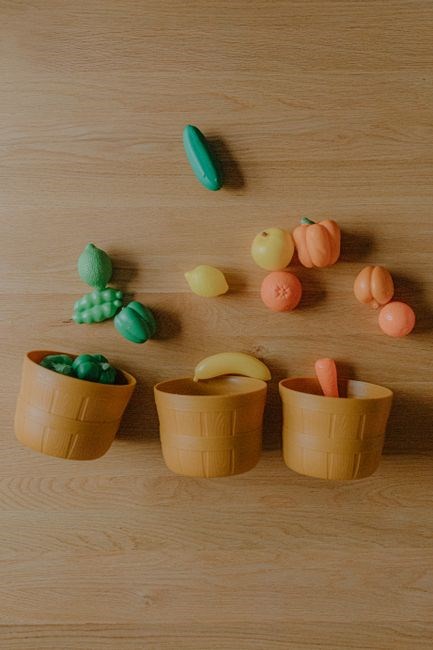
Game Overview
In “Let’s Feed the Very Hungry Caterpillar,” players move a caterpillar around a board, collecting fruit and puzzle pieces. Each stop yields a unique piece; gather five to assemble a butterfly. The game blends matching, memory, and strategy for family fun. Players finish first, using dice now!;
Objective
Players begin with a small caterpillar token and a set of fruit cards. The goal is simple yet engaging: navigate the board, land on fruit spaces, and collect unique butterfly puzzle pieces. Each fruit space offers a different piece; when a player stops on a space, they draw the corresponding card and add it to their collection. The first player to gather five distinct pieces can assemble the butterfly, revealing a colorful design that signifies victory. Along the way, players must strategize their moves, anticipate opponents’ paths, and use the board’s layout to their advantage. The game encourages memory skills, as players remember which fruit has already been claimed, and promotes turn‑taking and friendly competition. By the time the final butterfly is completed, players have practiced counting, matching, and planning, all while enjoying the whimsical theme inspired by the beloved children’s book. To achieve this, each player must carefully plan their route, ensuring they land on fruit spaces that yield the missing pieces. The board’s layout offers strategic pathways, and players can block opponents by occupying key fruit spots. The game’s simple rules make it accessible for younger children, while the challenge of collecting all five pieces keeps older players engaged. Completing the butterfly not only signals victory but also rewards players with a colorful keepsake that celebrates the classic story’s charm. Players can also trade fruit cards with friends to speed up their progress, but must still collect all five unique pieces before the final butterfly can be assembled. Enjoy the game!

Gameplay Mechanics
Players roll a die to move their caterpillar token along a track of fruit squares. Landing on a fruit space draws a card showing a puzzle piece that matches that fruit. Collected pieces are stored face‑up beside the board. The board’s layout offers paths and opportunities to block opponents!
Setup
Place the board on a flat surface. Each player selects a colored caterpillar token and places it on the start space marked “Home.” Shuffle the fruit‑matching puzzle card deck and lay it face‑down next to the board. Separate the butterfly puzzle pieces into five fruit groups (apple, banana, orange, strawberry, grape) and arrange them fruit‑side up beside the board. Give each player a score sheet and a pouch for collected pieces. Roll the die to decide who goes first; the highest roll starts the play. If a time limit is used, set a timer before the first roll. The board’s track is now ready for movement, and the fruit cards are shuffled, ensuring a fresh layout for each game.

Before play, confirm that each fruit group contains the correct number of puzzle pieces. The game includes five fruit types: apple, banana, orange, strawberry, and grape. Each group should have exactly five pieces, representing the five unique butterflies that players aim to assemble. Place the remaining unused pieces in a discard pile. During the game, when a player lands on a fruit space, they draw the top card from the corresponding fruit pile. If the pile is empty, the player draws from the discard pile and reshuffles. This rule ensures continuous play and maintains balance; Additionally, players may choose to play in cooperative mode, where all participants work together to build a single butterfly, or in competitive mode, where each player races to complete their own set. The choice of mode can be decided before the first roll.
Players may set a time limit using timer to add excitement!
Movement Rules
Players roll a six‑sided die to determine how many spaces their caterpillar moves along the circular track. Movement is always clockwise. If a player lands on a fruit space, they draw the top card from the matching fruit pile and keep it. If a space is marked “Swap,” the player may exchange one of their collected pieces with an opponent’s piece of the same fruit type. Landing on a “Rest” space forces the player to skip their next turn. A “Leap” space allows the player to move an additional two spaces immediately after the normal move. If a player lands on a space that contains a butterfly puzzle piece, they may claim it if they have not yet collected a piece of that fruit. Once a player has collected five unique pieces, they may begin constructing their butterfly on the board’s assembly area. Movement continues until a player completes their butterfly or the time limit expires. Players may also use “Action” cards drawn from the fruit deck to modify movement: a “Double Roll” card lets a player roll twice and add the results, while a “Skip Turn” card forces an opponent to miss a turn. All movement rules are enforced by the die roll; no player may move more than the number shown on the die unless a special card or space allows it. The board’s track includes a “Start” space that resets a player’s position to the beginning of the next round. Players must keep their tokens within the track; if a move would take a token past the final space, it rolls over to the start of the track. This ensures continuous play and keeps the game fast‑paced. Players also note that the board’s layout encourages careful planning. Go!!
Collecting Fruit
When a player’s caterpillar lands on a fruit‑marked square, they draw the top card from the corresponding fruit deck. The card shows a fruit icon and a puzzle piece symbol. If the player has not yet collected a puzzle piece of that fruit, they may claim the piece and place it beside their butterfly assembly area. If they already possess that fruit’s piece, the card is discarded and the player may instead draw an additional card from the same deck, continuing until they either acquire a new piece or the deck is empty. Each fruit deck contains exactly five cards, one for each of the five unique puzzle pieces. Players may only collect one piece per fruit type; duplicate pieces are not allowed. The objective is to gather one puzzle piece from each of the five fruit categories—apple, orange, banana, strawberry, and grape—to build a complete butterfly. Fruit cards are shuffled at the start of the game, and the top card is revealed each time a player lands on a fruit space. If a player lands on a “Fruit Swap” space, they may exchange one of their collected pieces with an opponent’s piece of the same fruit type, provided both players have the piece in question. This mechanic encourages strategic planning and interaction. The fruit collection phase is critical: players must balance movement, card draws, and swaps to secure the five distinct pieces before the time limit expires. Successful collection allows the player to begin assembling their butterfly on the designated board area, marking a significant milestone toward victory. The fruit collection rules are designed to be simple yet engaging, fostering memory, observation, and tactical decision‑making among young players. Special fruit cards can grant extra moves or allow swapping pieces, adding strategy. These cards are drawn randomly and can change the game’s flow dramatically. Remember to track collected pieces to avoid wasted moves. Use them wisely. Now!

Building the Butterfly
After a player has gathered one puzzle piece from each of the five fruit categories—apple, orange, banana, strawberry, and grape—they may begin constructing their butterfly on the dedicated assembly area beside the board. The area is divided into five slots, each labeled with a fruit icon. Pieces are inserted in the order they were collected, matching color and shape. A piece may only occupy an empty slot; attempting to overwrite a slot returns the piece to the player’s hand and forfeits the move. Once all five slots are filled, the butterfly is complete, and the player claims the butterfly token, placing it on their victory track. The token serves as proof of completion and as a visual cue for scoring points.
Strategic timing is crucial: players often aim to collect pieces from the same fruit group in consecutive turns, using “Fruit Swap” spaces to exchange pieces with opponents and accelerate assembly. “Bonus Fruit” cards can allow a player to skip a collection step or acquire a duplicate piece for trading. Completing the butterfly in a single continuous turn yields bonus points. The assembly phase signals a shift from collection to the final race toward the finish line; mastering piece placement and bonus card use can determine the outcome of the game.

Winning the Game
Victory is earned by the first player to complete a butterfly and reach the finish line. The game ends immediately when a player satisfies both conditions. Scores are tallied, and the highest total wins. Ties are broken by who finished first. Players may use bonus cards to speed up progress, but the first to finish wins
Winning Conditions
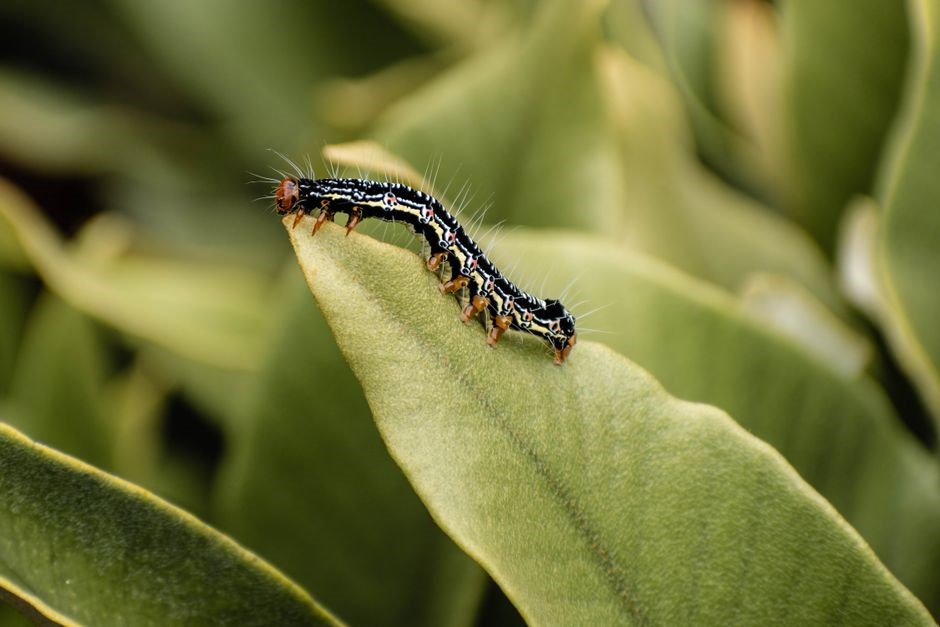
In “Let’s Feed the Very Hungry Caterpillar,” the ultimate goal is to transform the playful caterpillar into a stunning butterfly while racing to the finish line. Each player begins with a small caterpillar token and a set of puzzle pieces that represent different fruit. As the game progresses, players move their caterpillars along a winding path marked with fruit icons. When a player lands on a fruit space, they draw a card that reveals a matching fruit on the back of a puzzle piece. If the fruit matches the space, the player keeps the piece; otherwise, it is returned to the supply. The core mechanic revolves around collecting five unique puzzle pieces, each featuring a distinct fruit—such as apple, banana, cherry, grape, and orange. These pieces are then assembled on a dedicated butterfly board, where each fruit corresponds to a specific section of the butterfly’s wings. The assembly process is visual and tactile, allowing children to see their progress as the butterfly takes shape. Once a player has successfully collected all five unique pieces and built a complete butterfly, they must still reach the final “home” space on the board. The first player to achieve both milestones—complete butterfly and finish line—wins the game. If multiple players finish simultaneously, the one who completed the butterfly first is declared the winner. In the event that the time limit expires before any player meets both criteria, the game ends in a draw, and players compare the number of pieces collected to determine the winner. Thus, strategy involves balancing the pursuit of unique fruit pieces with efficient movement toward the finish line, ensuring that players stay ahead of the clock while building the most complete butterfly possible. Players may use cards to influence the game, adding excitement extra!
Time Limit
In “Let’s Feed the Very Hungry Caterpillar,” a countdown timer adds urgency and keeps gameplay brisk. At the start of each session, a 10‑minute timer is set on a small, portable device or a phone app. Players can also use a physical sand timer for a tactile feel. The timer is visible to all participants, ensuring that everyone is aware of the remaining time. The game’s rules stipulate that the timer begins as soon as the first player rolls the dice or draws a movement card. During the countdown, players must complete two key objectives: collect five distinct fruit‑matching puzzle pieces and finish the board’s final “home” space. If the timer reaches zero before a player has met both conditions, the game ends in a draw, and the player with the most collected pieces is declared the winner. In case of a tie, the player who built the butterfly first wins. The time limit encourages quick decision‑making and strategic planning, as players must decide whether to risk a longer route to secure a rare fruit or take a shorter path to the finish. The timer also helps parents and educators manage playtime, ensuring that the game fits within a set lesson or family activity period. Some versions of the game offer an optional “speed‑up” rule: if a player lands on a special “rush” space, the timer is reduced by one minute, adding an extra layer of excitement. Overall, the time limit keeps the game lively, prevents stalemates, and reinforces the theme of a caterpillar’s rapid growth journey toward becoming a butterfly. Players may also use a countdown timer to practice math skills, as they calculate the remaining time after each turn. The timer can be set to different durations for younger players, such as five minutes, to match developmental stages. The inclusion of a time constraint aligns with the educational goals of the game, promoting quick thinking and time management. For competitive play, some groups add a penalty: if a player’s timer runs out, they must discard one collected piece, making the race even tighter. Additionally, the timer can be used to teach sequencing, as players anticipate the next turn before the clock ticks.
Strategy & Variants
Players can swap fruit cards to block opponents, use “rush” spaces for extra moves, and trade duplicate pieces for new ones. Variants include timed rounds, cooperative play, or a “wild card” that lets a player skip a turn. Adapt rules for age groups. Players may use a wild card. now!!!!!
Optimal Moves
Mastering the game hinges on a blend of foresight, timing, and tactical card use. First, prioritize landing on fruit that matches the puzzle piece you need most; this reduces the number of turns required to complete the butterfly. When you draw a card, weigh the immediate benefit of moving versus the potential to block an opponent. A common tactic is to hold onto a “wild” or “extra move” card until you can force an opponent onto a fruit that yields a duplicate piece, forcing them to discard or trade. Additionally, observe the board layout: if a path leads to a cluster of rare fruit, it may be worth taking a longer route to secure those pieces early. Remember that each unique piece is worth more than duplicates; thus, if you have a choice between two fruit, choose the one that gives you a new piece. Finally, timing is crucial—use a “skip” card just before your opponent’s turn to deny them a critical move, or play a “swap” card to reposition a fruit that would otherwise give them an advantage. By combining these strategies, you can consistently outmaneuver opponents and finish the butterfly first.
A key insight is to anticipate the opponent’s next move by tracking the fruit they are likely to target. If you notice a pattern—such as the opponent consistently moving towards a cluster of apples—plan a counter by securing a different fruit that blocks that path. Another tactic involves using the “extra move” card strategically: save it for the moment when you can leap over a fruit that would otherwise give an opponent a duplicate piece, thereby forcing them to waste a turn. Additionally, consider the value of the “wild” card; when used to swap a fruit that would give an opponent a piece they already have, you can effectively deny them progress. Finally, keep an eye on the board’s layout: if a fruit is surrounded by others that you need, it may be worth taking a detour to collect those pieces early, ensuring you have a full set before the time limit.
Remember, timing is everything. If you can force an opponent onto a fruit that gives them a duplicate piece, you can use a “skip” card to deny them a turn.!!!